


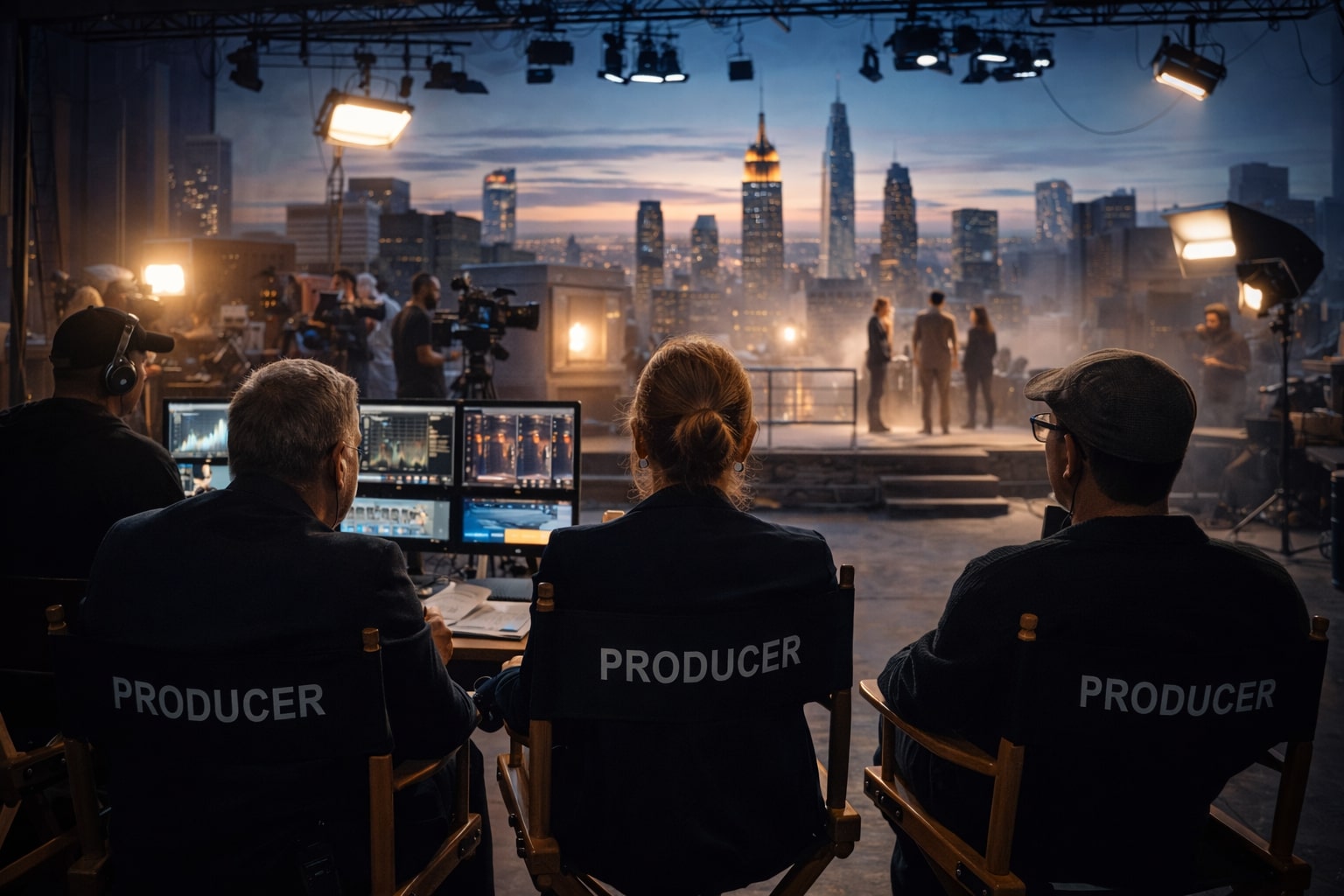
How movies generate profit in 2026, from pre-sales to IP and distribution strategy. A clear guide for filmmakers thinking long term.
In 2026, the most successful films are not accidents. They are designed.
Across London screenings, Cannes cocktail hours, and quiet meetings near Soho post houses, the same conversation keeps surfacing. How movies generate profit in 2026 now matters as much as how movies look or feel. This is not about killing art. It is about keeping it alive.
Filmmakers today are no longer judged only by taste or timing. They are judged by structure. Behind every breakout film, whether it premieres at Sundance or launches in Europe with little fanfare, sits a financial plan most audiences never see.
“A MOVIE IS NOT JUST A PRODUCT. IT IS A CAPITAL ALLOCATION DECISION DESIGNED TO CREATE MULTIPLE CASH FLOWS OVER TIME.”
That idea is not cynical. It is clarifying. And for creators who want careers, not lottery tickets, it is quietly liberating.
Movies as Capital, Not Just Art
For decades, filmmakers were encouraged to lead with passion and hope the money followed. In 2026, the smartest producers reverse that sequence without losing soul. Films are built as assets. Risk is mapped. Return is planned.
This does not mean spreadsheets replace storytelling. It means storytelling is protected from chaos. When producers walk into film markets in Berlin, Cannes, or Hong Kong, financiers want to see how movies generate profit in 2026, not just mood boards and trailers.
There is relatability here. Most creatives have felt the pain of loving a project that never found its footing. Structure is not the enemy of creativity. It is the safety net.
The romance of cinema still exists. It just shows up better dressed.
Theatrical Release as Validation, Not Illusion
Why Opening Weekend Is No Longer the Goal
Theatrical release still carries prestige, especially in cities like London, Paris, and New York. But financially, its role has changed.
“Theatrical Release: Market Validation, Not Profit.”
Cinema runs now act as proof of life. They test audience response, generate reviews, and build cultural signal. The margins themselves are often thin once marketing and distribution costs are counted.
In 2026, theatrical success tells downstream buyers that a film works. Streamers, broadcasters, airlines, and platforms pay attention. Think of it like plating a dish beautifully. The flavor comes later. That metaphor lands for anyone who has eaten in Mayfair or Shoreditch lately.
Pre-Sales and the Engineering of Risk
Cash Before the Applause
Pre-sales have moved from optional to essential. Selling territory rights or streaming windows early allows producers to recover capital before release.
“This is risk engineering, not creativity.”
At Cannes and Busan, experienced producers quietly secure deals that stabilize entire budgets. It is not glamorous. It is effective. Like a chef reducing a sauce, the work is slow, precise, and deeply satisfying when done right.
There is a sense of humor in this shift too. Many filmmakers once avoided numbers like a bad review. Now they quote them with confidence. That evolution is surprisingly relatable.
Distribution Windows and Long-Term Leverage
One Film, Many Lives
Modern distribution rewards patience. A single film moves through theatrical, streaming, broadcast, airlines, hotels, and niche platforms.
“Same asset → multiple revenue cycles.”
This is where leverage appears. A film that stops earning after opening weekend leaves money on the table. Smart producers design films to travel, repeat, and age well. Like leftovers that somehow taste better the next day, the value compounds.
Understanding how movies generate profit in 2026 means respecting the long tail. The fun-loving part is watching a film find new audiences years after release.
Intellectual Property as the Quiet Power Play
Stories That Keep Paying Rent
The most valuable films of the last two decades share a trait. They scale.
“Characters become assets. Stories turn into franchises. Worlds grow as ecosystems.”
IP is not about squeezing sequels out of thin air. It is about creating stories flexible enough to grow. When it works, box office becomes just the opening chapter. Licensing, adaptations, and spin-offs often outpace the original film.
Studios sometimes overreach here. Audiences feel that instantly. The magic happens when IP grows organically, not because a pitch deck demanded it.
Ancillary Revenue and High-Margin Calm
The Hidden Upside
Merchandising, music, games, and experiential extensions offer something financiers love. Low incremental cost and long life.
“This is asset sweating.”
When it works, it feels joyful. When it fails, it feels awkward. Like insisting on dessert when everyone is full. The trick is knowing when the audience actually wants more.
For filmmakers who value control, these revenue streams offer breathing room and, occasionally, real fun.
What This Shift Means for Filmmakers
The core insight is simple:
“A movie is profitable not when people watch it, but when its cash flows…”
In 2026, understanding how movies generate profit is no longer optional. It allows filmmakers to choose better partners, protect ownership, and design careers with intention.
This shift is visible at major festivals and within institutions like Sundance Institute, which increasingly emphasizes sustainability alongside artistry. More on that philosophy can be found at https://www.sundance.org.
Mini FAQ: How Movies Generate Profit in 2026
Q: Does this approach apply to independent films?
A: Yes, but selectively. Pre-sales and IP scale differently at lower budgets, and expectations must match genre and reach.
Q: Is theatrical release still necessary?
A: Not always, but it remains powerful for validation, awards positioning, and signaling quality to buyers.
Q: Does financial planning limit creativity?
A: No. Used well, it protects creativity by reducing chaos and dependence on luck.
Filmmakers who design, not just dream
The future of cinema belongs to filmmakers who design, not just dream. Learning how movies generate profit in 2026 is not selling out. It is buying freedom, time, and leverage.
The next generation of great films will still be bold and fun-loving, rich in flavor and ambition. They will simply be built on foundations strong enough to last. If you care about longevity, now is the moment to learn the financial language of film without losing your creative voice.